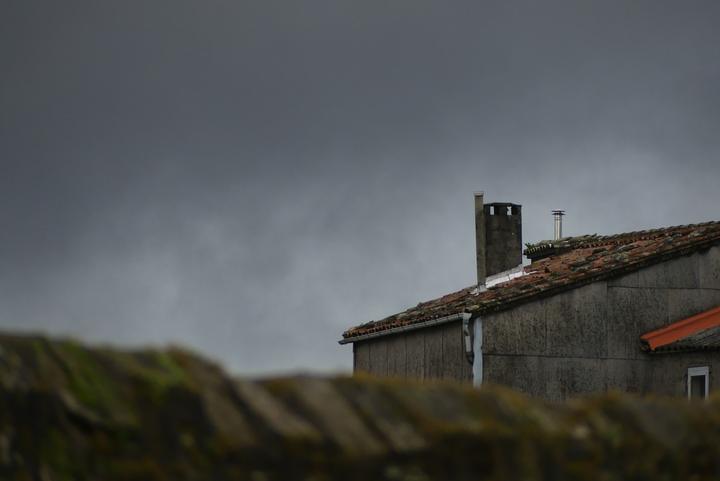
Chimney Leak Repair in Stuart, FL
We trace the leak to its source and fix that part first.
- Family owned and run
- Licensed & insured
- Same-day service
- Locally run
Get Your Free Inspection
About thirty seconds
Request received
Thank you. Someone from our family crew will call you to set a time for the free inspection.
Quicker by phone? Call (772) 610-6329
Short answer
Most chimney leaks start at one of four places: the cap, the crown, the flashing or porous brick and mortar. Chimney leak repair means finding which one is letting water in, then fixing that part so the stain inside stops spreading and the masonry can dry out.
Free Inspection, Then 10% Off the Work
Book your leak repair within 72 hours of the free inspection and 10% comes off the repair.
What You Can Count On
-
A water test with a hose when the job calls for it
We water test section by section until the leak's real source is proven.
-
Family owned and run
A family crew that fixes the source before touching the stain inside.
-
Workmanship warranty
The repair that stops the leak carries our workmanship warranty.
On this page
Why a Leaking Chimney Is Hard to Pin Down
A chimney is tall, porous and full of joints, and water moves through it in ways that surprise people. Rain that enters at a cracked crown can run down inside the brick and appear at the firebox. Water that slips past a loose flashing edge can follow a rafter and show up several feet away. That is why chimney leak detection starts at the top and works down instead of beginning at the stain.
A chimney leaking only in wind-driven rain usually points to flashing or a gap high on the stack. A chimney leaking in any steady rain more often points to the cap, the crown or saturated brick.
The Four Usual Sources
Often two of these work together. A chimney water leak repair that fixes only one of them may slow the drip without stopping it, so we check all four on every visit.
- The cap: rusted, missing or the wrong size, letting rain fall straight into the flue
- The crown: cracks or gaps around the flue tile that let water into the masonry
- The flashing: lifted, rusted or caulked joints where the roof meets the chimney
- The masonry: porous brick, washed-out mortar or cracked stucco that soaks up rain
How We Prove Where the Water Gets In
When the source is not obvious, we water test. One person runs water over a single section of the chimney, such as the crown, one side of the flashing or one face of the brick, while another watches the attic or the firebox. We move section by section until the leak appears. It takes patience, but it turns a guess into a known chimney leak fix.
Repairing the Source, Then the Damage
Leaking chimney repair is done in order: the source first, then the parts the water has harmed. That may mean a new cap, a crown repair, new step and counter flashing, repointing or a water repellent on the brick. Once the chimney is dry, damaged drywall or paint inside can be repaired without the stain coming back.
If water leaking from chimney joints has reached the damper or the firebox, we check those parts too, because rust and wet masonry fail faster than dry ones.
Heavy Rain and Wind-Driven Leaks
Florida's summer storms bring long, heavy downpours and wind that pushes rain sideways, which is exactly the weather that finds a weak joint. A chimney leak that shows only a few times a year is still worth fixing early, before water rots the roof deck or the framing around the chimney.
How We Track Down a Chimney Leak
-
Look from the top down
Cap, crown, flashing and masonry checked in that order.
-
Water test if needed
One section at a time until the drip appears inside.
-
Fix the source
Repair the part that lets water in before anything else.
-
Check the damage
Damper, firebox and framing looked at once the source is sealed.
Book Your Free Stuart Inspection
A short form, a quick call back, and a time that suits you.
- Inspection first, estimate in writing
- Upfront pricing, no hidden fees
- Family owned and operated
Request received
Thank you. Someone from our family crew will call you to set a time for the free inspection.
What the Written Estimate Covers
- Tracing the leak from the cap down to the flashing
- Water testing one section at a time when needed
- Repairing the part that lets water in
- A clear note of what was fixed and what to watch
Questions We Answer Often
Why does my chimney leak when it rains?
Rain gets in through one of four places: the cap, the crown, the flashing or the brick and mortar. A missing cap lets water fall straight down the flue. A cracked crown or loose flashing lets it run inside the masonry, where it shows up as a stain or a drip in the firebox.
Is a chimney leak serious?
Yes, if it is left alone. Water rusts the damper, rots the roof deck and framing around the chimney and loosens mortar inside the stack. A small drip after storms is the cheapest point to fix it, before the damage spreads into the ceiling or the firebox.
Can a chimney leak cause mold?
Yes. A leak that keeps the attic framing, drywall or insulation beside the stack damp gives mold what it needs, especially in humid Florida weather. Stopping the water at the cap, crown or flashing comes first. Damp materials then need to dry out or be replaced.
What causes chimney leaks?
Most chimney leaks come from a missing or rusted cap, a cracked crown, failed flashing at the roof or porous brick and mortar. Condensation inside an unlined or oversized flue can also leave water in the firebox, which looks like a leak but needs a different fix.
Who fixes chimney leaks?
A chimney company is usually the right first call, because most leaks start at the cap, crown or flashing rather than the roof field. A roofer can help when the leak is in the shingles or tile away from the stack. We check the whole chimney and tell you plainly which trade the leak needs.
Why is there water in my fireplace?
Water in the firebox usually falls straight down the flue past a missing or damaged cap. The other frequent source is a cracked crown or wet brick feeding water into the smoke chamber. We start at the cap and work down until the source is found.

Proudly American
Family owned in Stuart, with an experienced crew, upfront pricing and a workmanship warranty on the work we do.
Chimney & Fireplace Brands We Work With

Copperfield Chimney Supply 
DuraVent 
Heat & Glo 
Heatilator 
Olympia Chimney and Venting 
Rutland
Find Out Where the Water Comes From
A free inspection traces your Stuart chimney leak to the part that needs fixing.